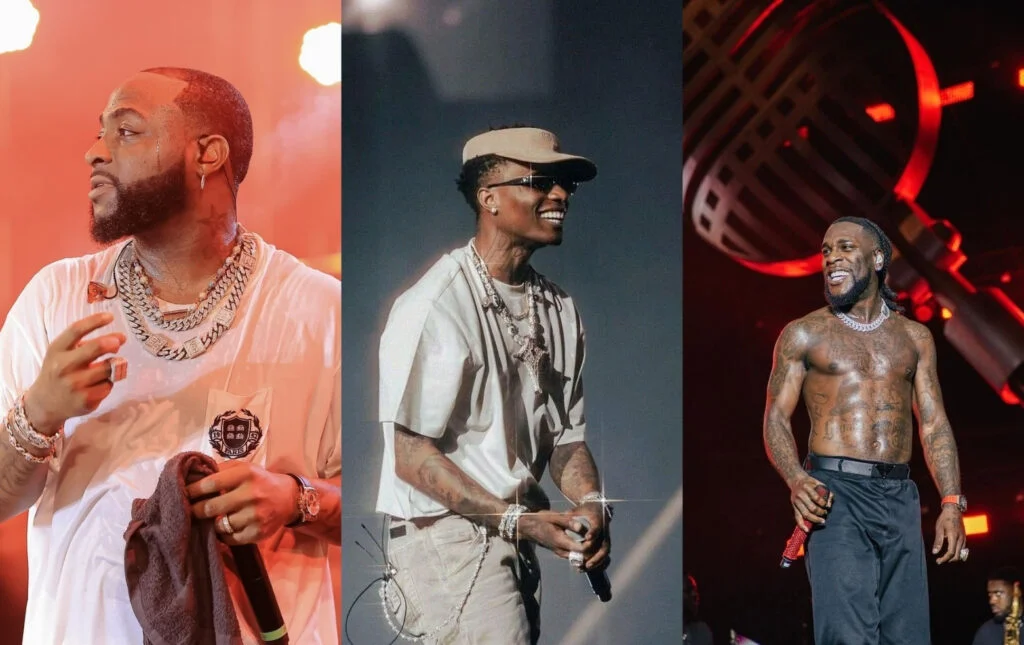


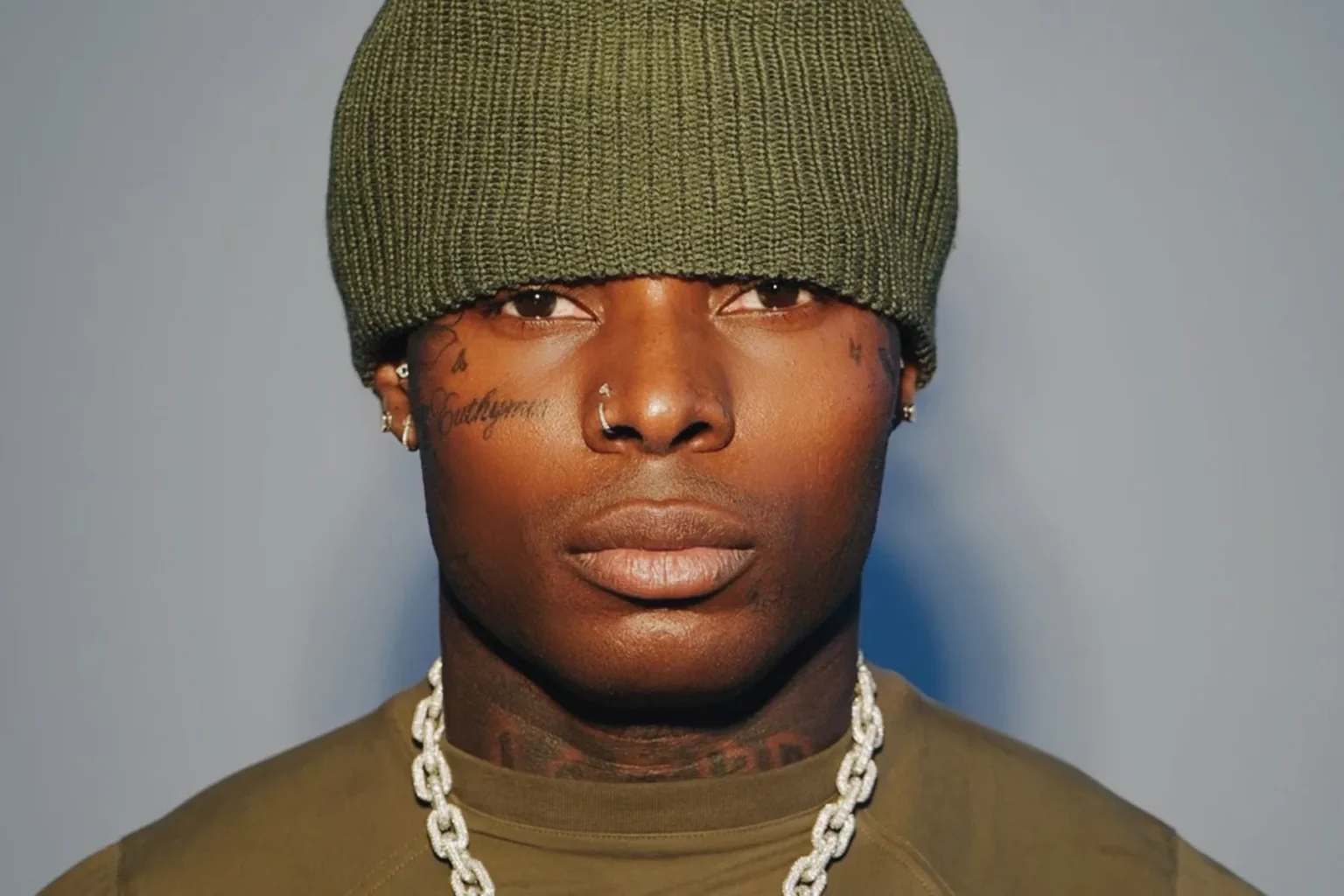
Asake did something deceptively simple.
He understood timing.
He understood identity.
And most importantly, he understood himself.
The question is not whether Asake is talented. That is obvious.
The real question is: What exactly did he do right?
Because success at his scale is never accidental.
He Built a World
When Asake emerged, it did not feel like another artist releasing singles.
It felt like the arrival of a fully formed universe.
The vocals were unmistakable, raw, stretched, almost spiritual in delivery. The production leaned heavily on log drums, Fuji-inspired cadence, chant-like hooks, and percussive urgency. It was street, but not chaotic. Melodic, but not soft.
He did not sound like anyone else.
In this saturated Afrobeats market, differentiation is currency.
Asake leaned into a sonic identity so distinct that within seconds of hearing a record, you knew it was him.
This is branding through sound.

He Committed to a Visual Identity
Before the international stages, he already had a look.
The tinted sunglasses.
The cropped tops.
The eccentric silhouettes.
The unapologetic energy.
The bad-boy look
The tattoos
At a time when many male artists defaulted to safe streetwear aesthetics, Asake embraced theatricality. He fused Fuji nostalgia with Gen-Z flamboyance. He did not ask permission to be expressive.
In pop culture, visuals are not decoration, they are reinforcement. Asake’s fashion choices amplified his music’s emotional intensity. The stage outfits, the choreography, the way he moved, it all felt cohesive.
He did not look like an artist trying to fit into Afrobeats.
He looked like an artist expanding it.
He Understood the Power of Cultural Roots
One of Asake’s greatest strategic decisions was not abandoning his Yoruba sonic foundation.
Where many artists dilute local elements in pursuit of global appeal, Asake doubled down.
Fuji inflections. Indigenous ad-libs. Street slang. Rhythmic chanting.
Because when the global audience finally caught on, he was not scrambling to define himself, he had already done that work by building his identity at home.
Global success built on local authenticity lasts longer.
He Delivered Consistency at High Speed
Momentum in music is fragile.
Asake’s run is relentless.
Project after project, hit after hit, performance after performance. There is no long silence between releases. No confusion about direction.
He understood something critical:
When the window opens, you do not hesitate.
But consistency does not mean repetition.
Even within his signature sound, he experimented, adjusting tempo, introducing new textures. Enough evolution to stay fresh. Enough familiarity to remain recognizable.
That balance is rare.

He Switched It Up Without Losing Himself
The most dangerous phase of success is the pivot.
Artists often lose themselves when they attempt to “elevate” their brand. They overcorrect. They dilute what made them magnetic.
Asake’s evolution has been subtle rather than abrupt.
He did not abandon the street-rooted cadence that birthed him. He refined it. Layered it. Made it a global export without sterilizing it.
That is strategic growth.
He Made Performance an Experience
Asake does not perform like a background act.
He treats stage presence as architecture.
The choreography.
The live arrangements.
The energy management.
The spectacle.
He understands that in today’s music economy, streaming builds visibility, but performance builds mythology.
And mythology builds longevity.
He Understood The Power of Mystery
Asake is not excessively loud in interviews. He is not chronically online. He does not overshare.
That restraint adds intrigue.
In an era where artists overexpose themselves, mystery becomes branding. It allows the art to remain central.
Scarcity, when controlled, increases value.
So The Big Question?
What did Asake do right?
He aligned identity, sound, visuals, and timing.
He did not separate music from branding.
He did not separate local from global.
He did not separate style from strategy.
He built a cohesive cultural product.
And cohesion scales.
Beyond Asake
Asake’s rise is not just a personal success story.
For emerging African artists, the blueprint is clear:
- Own your sonic signature.
- Build a visual world.
- Stay rooted before going global.
- Move fast when momentum hits.
- Evolve without erasing your foundation.
There are many talented artists.
But talent without identity fades.
Asake did not just release music. He engineered presence.
And in today’s creative economy, presence is power.
Paul Ukonu
Author