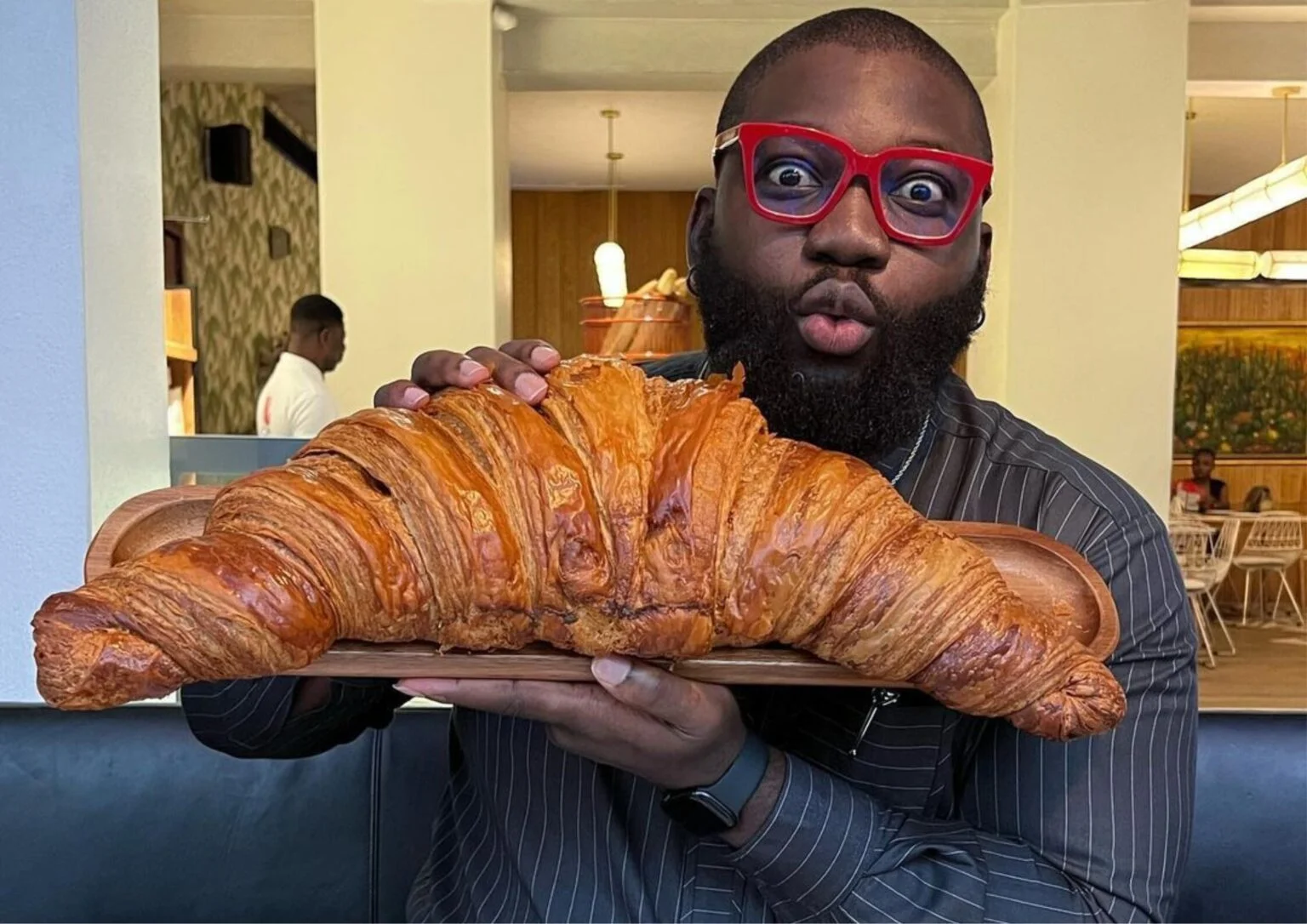

If you spend enough time on Nigerian Twitter, Instagram Reels, or TikTok food pages, one name keeps surfacing whether you like it or not, Opeyemi Famakin, allegedly “the biggest food critic in Nigeria.” His detractors call him many other things.
What’s undeniable is this, Opeyemi dragged criticism to the open, loudly, theatrically, and sometimes brutally.
So why do people hate him? And why do just as many people swear he’s necessary?
This isn’t just about one critic. It’s about class, taste, ego, internet culture, and the evolution of Nigeria’s food industry.
The Rise of Nigeria’s First Viral Food Critic
Before Opeyemi, Nigeria didn’t really have mainstream food critics. There were bloggers, lifestyle writers, and influencers posting curated restaurant photos. But actual criticism, the kind that says “this is bad and here’s why” rarely went viral.
Opeyemi changed that.
He built a persona around, blunt delivery, strong opinions, dramatic presentation, and a willingness to offend restaurateurs, influencers, and celebrities
His videos are performances not neutral reviews and that performance is precisely why he’s become both influential and controversial.
In an interview with media personality Jayonair, he said:
“I made the word ‘food critic’ popular in Nigeria. Whether you like me or hate me, when you think of a food critic, the first person that enters your head is Opeyemi.”
That level of self-awareness is key. Opeyemi is deliberately building a media character not just reviewing foods.

So Why Do People Say They Hate Opeyemi
1. “He’s Too Loud”
The most common criticism is about tone.
Opeyemi’s reviews are rarely gentle. Even if he sometimes says “This could be improved.” He mostly says, “This makes no sense.”
He raises his voice. He exaggerates reactions. He leans into drama. Wayyyyy too much
To some viewers, this is entertaining and necessary. To others, it feels like humiliation, especially when small businesses are involved.
Critics argue, he prioritises virality over empathy, his delivery can overshadow the actual critique and some restaurant owners feel publicly embarrassed
In a hospitality industry where reputations matter, a viral negative review can feel like a public execution.
But his supporters argue the opposite, If a restaurant charges premium prices, shouldn’t it be held accountable publicly?
2. The Internet Loves a Fight
Opeyemi doesn’t avoid conflict. He engages it.
He’s had public exchanges with influencers and celebrities, including personalities like
Cubana Chief Priest, Yhemolee, you can also include Mbadiwe Akachukwu (@only_akay_) though some people call it cruise.
One widely discussed moment involved a negative review of a celebrity-linked product that quickly spiralled into insults on both sides. Instead of de-escalating, Opeyemi doubled down.
For critics, this confirms their view that he’s combative and disrespectful. For supporters, it proves he isn’t intimidated by status or influence.
In Nigeria’s influencer economy, that refusal to back down reads as either courage or clout-chasing, depending on who you ask.
3. “Who Made Him the Authority?”
Another recurring argument: Opeyemi is not a trained chef.
He doesn’t present himself as a culinary school graduate or Michelin-trained professional.
So some restaurateurs and viewers question his authority.
But this argument reveals a deeper tension, what qualifies someone to be a critic?
Globally, many famous critics weren’t chefs. They were journalists, writers, or enthusiasts with developed palates and strong voices. In the digital age, authority often comes from audience trust rather than formal certification.
Opeyemi’s legitimacy comes from, Consistency, Audience reach, Cultural relevance, and Fearlessness
In other words, his authority is social, not institutional. Got it?
4. Allegations of Paid Promotions
Another recurring criticism surrounding Opeyemi is the perception that he sometimes accepts payment from restaurants or brands. Some viewers question whether a critic can remain fully objective if certain establishments are paying for exposure or reviews.
In Nigeria’s influencer economy, sponsored content is common, and the line between advertising and criticism can easily blur. This has led to scepticism among some audiences who ask: How honest can a review be if money is involved? For these critics, transparency is the core issue. They argue that if a reviewer is paid by some restaurants while harshly critiquing others, it creates a credibility gap.
Supporters, however, counter that many media personalities and content creators operate on brand partnerships, and monetisation doesn’t automatically erase integrity. They argue that what matters is disclosure and consistency. If audiences trust that a critic will still give real feedback, paid or not, then credibility can be maintained.
Still, the conversation persists. For a figure positioned as Nigeria’s most outspoken food critic, the expectation of independence is higher than usual. The more influential his voice becomes, the more scrutiny it attracts.
This tension between influence, sponsorship, and authenticity reflects a broader question within Nigeria’s digital media space.
Can a critic be both commercially viable and completely trusted?

Why Many People Actually Support Him
For every person who calls him rude, another calls him necessary.
1. He’s forcing accountability
Nigeria’s restaurant scene has grown rapidly, especially in Lagos. Prices have risen. Presentation has improved. But consistency hasn’t always kept up.
Supporters say Opeyemi, calls out overpricing, pressures restaurants to improve and speaks the truth customers are afraid to post publicly
There’s even a running joke online, “The fear of Opeyemi is the beginning of good food.”
It sounds funny, but it reflects something real. Restaurants now know a bad experience can go viral.
2. He represents the customer, not the industry
Traditional food writing often protects the industry. Opeyemi positions himself on the opposite side: the paying customer.
That shift resonates with younger audiences who are tired of overly polite influencer reviews that feel like ads.
3. He understands virality
Opeyemi is as much a content creator as he is a critic.
He understands, Pacing, Delivery and Audience engagement
His reviews are structured for shareability. He knows outrage travels faster than nuance. And he uses that dynamic effectively.
That doesn’t mean every critique lands perfectly. But it explains why he dominates the conversation.
The Bigger Conversation: Criticism in Nigerian Culture
The Opeyemi debate isn’t just about one man. It’s about how Nigerians respond to public criticism.
In many local industries, especially hospitality, public critique is still seen as disrespect rather than feedback. Opeyemi challenges that cultural norm.
The questions his presence raises, can Nigerian businesses handle direct criticism publicly? Where’s the line between honesty and humiliation? Should critics prioritise empathy or impact? Finally, does virality distort constructive feedback?
These tensions are why reactions to him are so emotional.
Love Him or Hate Him, He’s Changed the Game
Opeyemi Famakin has become a fixture in Nigeria’s digital food culture. Not because everyone likes him, but because everyone has an opinion.
He has, made food criticism mainstream, forced restaurants into public accountability, blurred the line between reviewer and entertainer, and built a brand around controversy
You don’t have to agree with his methods to recognise his impact.
In an ecosystem built on politeness, he chose confrontation and confrontation gets attention.
So the real question isn’t, why do people hate Opeyemi?
It is, why does Nigeria react so strongly to criticism in the first place?
Because in today’s attention economy, being liked is optional. Being talked about is power.
Paul Ukonu
Author